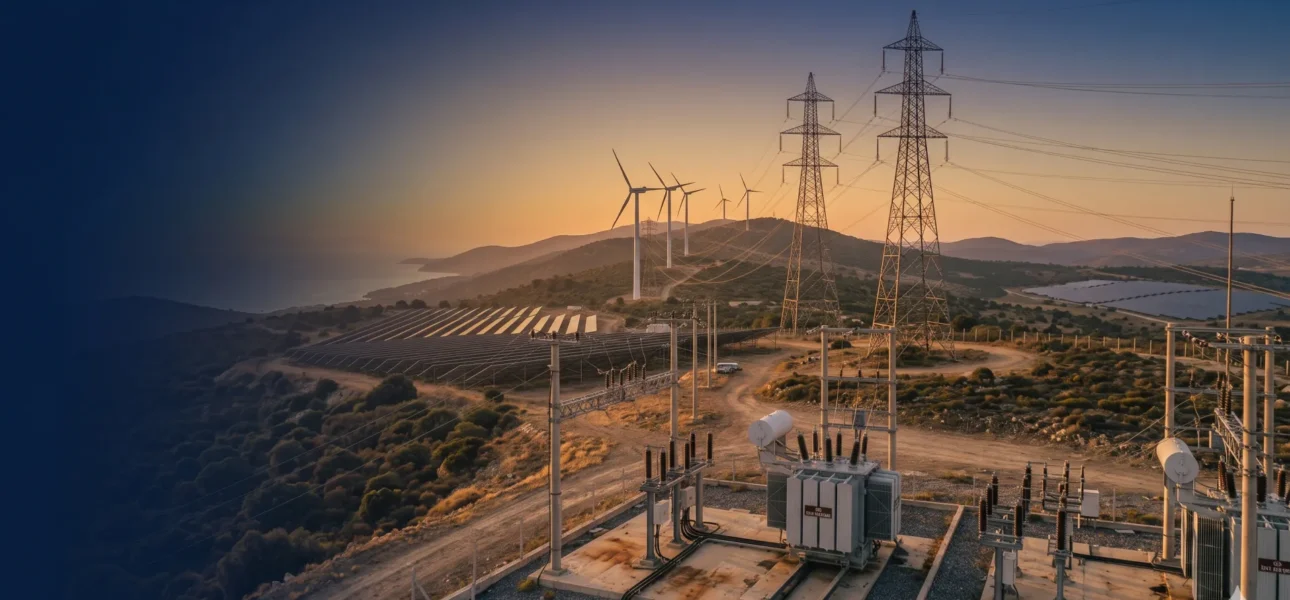
What is WPP and SPP Grid Connection?
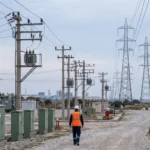
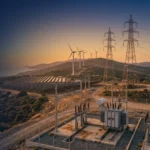
Wind Power Plant (WPP) and Solar Power Plant (SPP) grid connection is the engineering process that enables the electricity generated at a renewable energy facility to be safely and compliantly transmitted to the national transmission or distribution grid. This scope encompasses transformer substation construction, line feeder installation, cable termination, and comprehensive testing and commissioning works.
Regardless of how efficiently a renewable power plant generates electricity, it cannot monetize its output unless it is properly connected to the grid. Consequently, grid integration represents one of the most technical and critical phases of any WPP or SPP investment.
Why is Renewable Energy Growing Rapidly in Turkey?
Turkey is expanding its renewable installed capacity at record speed. According to figures shared by the Ministry of Energy and Natural Resources in February 2026, the nation’s total installed electrical capacity reached 123,284 MW. Approximately 62.5% of this total capacity originates from renewable energy sources.
The combined installed capacity of wind and solar has risen to 40,689 MW, reaching approximately one-third of the country’s 2035 target of 120,000 MW. The distribution of these figures is as follows:
- Solar Energy (SPP): 25,827 MW
- Wind Energy (WPP): 14,862 MW
Marking a major milestone in June 2026, WPP and SPP facilities generated approximately 35% of Turkey’s total daily electricity on a single day. This demonstrates that renewable sources have transitioned from supplementary generation to core infrastructure.
According to statements by the Minister of Energy and Natural Resources, meeting the 2035 targets requires commissioning 8 to 10 GW of new capacity every year. This translates to an estimated $80 billion investment requirement for transmission, distribution, and grid infrastructure. In short, grid connection and integration services will see continuous, high-volume demand over the coming decade.
How Does the WPP and SPP Grid Connection Process Work?
Grid connection is a structured, end-to-end engineering lifecycle. The following steps outline the main framework of a turnkey grid connection project:
- Engineering Design and Regulatory Compliance:
The process begins by determining the appropriate interconnection point based on the plant’s capacity and geographical location. Connection opinions, single-line diagrams, and technical designs are drafted; all engineering must conform to national and international technical standards. - Transformer Substation Construction:
Electricity generated at the plant is stepped up to the required grid voltage level before transmission. This step is executed at the transformer substation (SS). The substation includes power transformers, switchgear systems, protection and control panels, and switchyard equipment. - Line Feeder Installation:
The line feeder is the critical interface connecting the plant’s substation to the national transmission line. In Turkey, WPP and SPP connections are predominantly executed at the 154 kV voltage level. Line feeder installation involves mounting high voltage equipment such as circuit breakers, disconnectors, instrument transformers, and protective relays. - Cable Termination and Connections:
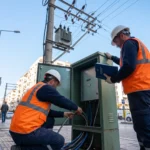
Safely joining high voltage cable ends to sub-station equipment is known as termination. Because improper termination leads to power loss and fault risks, this step demands specialized technical expertise. Simultaneously, fiber optic communication infrastructure is deployed for real-time monitoring. - Testing and Commissioning:
Prior to energization, the complete system undergoes rigorous field testing. Once protection settings, measurement accuracy, and grid synchronization parameters are verified, the plant is commissioned to begin commercial generation.
TEİAŞ Capacity Allocation: What Investors Need to Know
Grid connection is not solely a technical undertaking; it is also tied to capacity allocation protocols. The Energy Market Regulatory Authority (EMRA/EPDK) and TEİAŞ regulate grid integration through defined capacity thresholds.
Under rules announced for 2026, a total capacity of 1,500 MW was allocated for unlicensed WPP and SPP projects connecting at the transmission voltage level. Key parameters include:
- A maximum capacity allocation of 75 MW per natural or legal entity at the transmission level.
- A maximum capacity allocation of 10 MW at the distribution level.
Technical priority criteria also dictate allocation. Projects where generation and consumption facilities are tied to the same transformer substation hold a distinct strategic advantage in prioritization. This underscores that selecting the right substation connection is both a technical and commercial decision.
Note: Capacity allocation rules and thresholds are updated periodically. Official announcements from EPDK and TEİAŞ should be monitored for the latest application guidelines.
Key Considerations When Selecting a EPC Contractor
WPP and SPP grid connection projects carry high operational risks with zero tolerance for error. Flawed integration results in severe financial and timeline losses. Consider the following criteria when selecting a turnkey contractor:
- High Voltage Expertise: Proven field experience in 154 kV+ line feeders and transformer substation projects.
- Track Record: Successfully completed WPP/SPP grid interconnection references serve as the strongest proof of technical capability.
- Turnkey Capability: Contractors managing the entire lifecycle—from engineering design to commissioning—prevent coordination gaps and delays.
- HSE and Regulatory Compliance: Strict adherence to Occupational Health and Safety (OHS) regulations guarantees project safety and legal compliance.
- Timely Delivery: Because the Commercial Operation Date (COD) directly impacts generation revenues, adherence to execution schedules is critical.
Frequently Asked Questions (FAQ)
How long does a WPP/SPP grid connection project take?
The execution timeline depends on plant capacity, distance to the grid interconnection point, and administrative approval durations. A typical turnkey connection project—including design, substation erection, and testing—takes between a few months and over a year.
What is a line feeder?
A line feeder is the high-voltage bay equipment connecting a plant’s substation to the national power grid. It includes circuit breakers, disconnectors, instrument transformers, and protection systems. In Turkey, WPP and SPP interconnections are typically built with 154 kV line feeders.
Which voltage level is used for solar power plant (SPP) connections?
Utility-scale and licensed SPP projects generally connect at the transmission level (154 kV). Smaller, distributed generation assets connect at medium voltage (MV) levels. The required level is determined by the plant’s installed capacity and the allocated grid grid connection point.
Who can perform grid connection works?
Grid integration must be carried out by specialized electrical engineering contractors with experienced site management and qualified high-voltage technical personnel operating strictly in accordance with TEİAŞ and utility specifications.
Why is connecting to the same transformer substation advantageous?
Under current capacity allocation frameworks, projects that pair generation and consumption assets at the same transformer substation receive priority scoring. This increases the likelihood of securing capacity allocations while reducing overall interconnection costs.
Conclusion: Connect Your Project to the Grid with Confidence
Turkey’s ambitious renewable energy targets are driving unprecedented momentum across WPP and SPP investments. However, the commercial value of a power plant is realized only when generated energy is seamlessly transmitted to the grid. Sound engineering design, specialized site execution, and timely delivery form the foundation of successful grid integration.
Partnering with an experienced solution provider specializing in high voltage installations, transformer substations, and line feeders safeguards your project against technical risks and execution delays.
Contact us today to evaluate your renewable energy project and plan your grid connection.